
Ep 268 | Appealing to Corporate Sponsors with Brandon Barnum
Are you looking to take your nonprofit's corporate partnerships to the next level? Join us as we explore the ins and outs of corporate sponsorships with Brandon Barnum, a master in forging powerful relationships that lead to significant funding. In this episode, we'll uncover the secrets to building your strategy for corporate giving. Learn how to establish meaningful ties with businesses and leverage these connections for mutual benefit. It's not just about securing funds; it's about creating partnerships that last and grow over time.
Whether your nonprofit is just starting out or has been in the game for years, there's always room to grow and improve. This episode is brimming with practical advice that you can apply right away. From crafting compelling pitches to nurturing donor relationships, Brandon will guide you through each step of the process. Get ready to be inspired and equipped with the knowledge you need to elevate your fundraising efforts and achieve greater impact. Don't miss out on this opportunity to transform your nonprofit's approach to corporate partnerships.
What you'll learn:
→ Why now is the perfect time for businesses to engage with nonprofits
→ How to create a corporate advisory council that drives engagement
→ Strategies for turning donors into passionate ambassadors
→ The importance of storytelling in building lasting partnerships
→ Creative ways to add value to your corporate sponsors
Want to skip ahead? Here are key takeaways:
[03:43] Businesses want to partner because their customers require it. Consumer demand is driving businesses to engage more with nonprofits, with 94% of consumers wanting to know how companies are improving their communities. Frame your conversation with this perk in mind.
[09:51] Bring businesses alongside you to deepen your connection. Creating a corporate industry council can be an effective way to engage business leaders and deepen their commitment to your cause. When they feel part of what you're doing the relationship is likely to continue longer term.
[17:10] Encourage them to create their own event that benefits you. Empowering passionate supporters to organize their own events can lead to significant fundraising success, as demonstrated by Brandon's $1.2 million event.
[24:02] Employees want to work for businesses that give back to the community. Corporate involvement in charitable causes can significantly boost employee commitment and emotional connection to the company. Get creative with them on how they can showcase and feature your relationship with their team.
[29:14] Give them more visibility. Ask major donors to create quick video testimonials about your organization's impact – it's a win-win for both parties and adds value to your marketing efforts.
Resources
Volunteer Match
Nonprofit Prophet: When Community Comes Together by Matt George
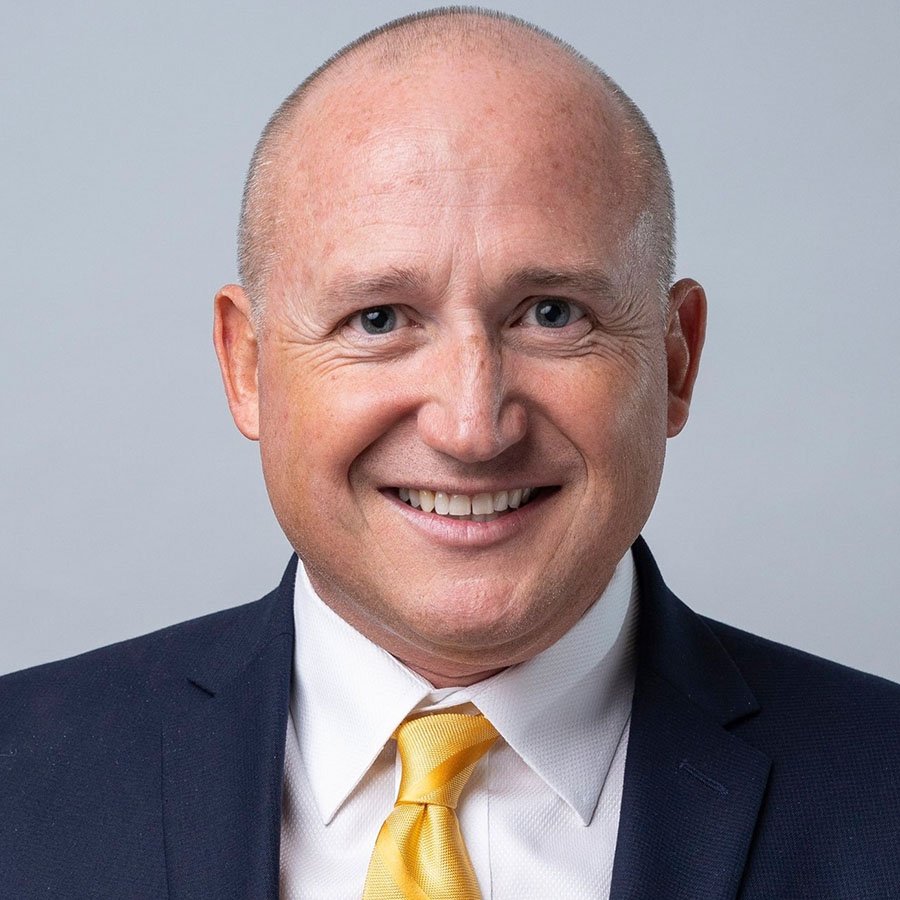
Brandon Barnum
CEO, HOA.com
While a single dad in 1997, Brandon was an early technology innovator featuring real estate property listings from Realtors he partnered with and promoted. After learning the art and science of referrals, he increased his annual income 10X from $20K to $200K in just 18 months. Brandon has since closed over $500 million in transactions by referral and has founded multiple local and online referral platforms and networks connecting more than 5 million members in 195 countries. Learn more: https://hoa.com/how-it-works/
Download our Guide: 9 Creative Ways to Engage and Steward Your Donors
We love creating the podcast. If you like what you learned here please give us a tip and help us offset our production costs.
When you leave a review it helps this podcast get in front of other nonprofits that could use the support. If you liked what you heard here, please leave us a review.
Full Transcript
Sami Bedell-Mulhern
Corporate sponsorships are a big part of our fundraising, especially for special events and partnerships throughout the year. But how do we make the most of those corporate sponsorship sponsorships? Why is that a hard word for me to say? How do we stay on top of our sponsorships build deeper relationships and ensure that it can continue over time even when staff changes, or you have a different point of contact inside the organization. So today, that's what we're going to talk about. We're going to talk about collaborating with your corporate sponsors and really making the most of the relationship so they dig deeper into your organization. And so you find the right corporate sponsors that are in alignment with your organization, and to help me have that conversation. My guest today is Brandon Barnum. While a single dad in 1997, Brandon was an early technology innovator featuring real estate property listings for realtors, he partnered with and promoted. After learning the art and science of referrals, he increased his annual income from 10x. From 20,000 to 200,000. In just 18 months, Brandon has since closed over $500 million in transactions by referrals, and has found multiple local and online referral platforms and networks connecting more than 5 million members, and 195 countries. He knows how to talk about connection and building relationships. And so I'm really excited for you to hear this conversation that we have just about how you can connect better and on a more personal level, even with your corporate sponsors. But before we get into it, this episode is brought to you by our July freebie, if you're struggling with some fun and unique ideas for how to thank your donors and steward them and stay connected corporate or individual, then this guide is for you. It has nine creative ways that you can steward your donors and say thank you connect with them more and be better partners. And so I hope that you'll go to thefirstclick.net/resources. Check it out. Download it today and get to work. I know that you'll find some of these ideas in here super helpful. And I encourage you to take them and grow with them, build on top of them, add more ideas and just see what kind of creativity it sparks for you. So again, go to thefirstclick.net/resources Grab your guide. Let's get into the episode.
Intro
You're listening to the digital marketing therapy podcast. I'm your host, Sami Bedell-Mulhern. Each month we dive deep into a digital marketing or fundraising strategy that you can implement in your organization. Each week, you'll hear from guest experts, nonprofits, and myself on best practices, tips and resources to help you raise more money online and reach your organizational goals.
Sami Bedell-Mulhern
Hey, friends, please join me in welcoming Brandon Barnum to the podcast. Brandon, thank you for being here today.
Brandon Barnum
Thank you. It's my pleasure. Glad to be here.
Sami Bedell-Mulhern
So we're talking collaboration, we're talking corporate sponsorship, we're talking fundraising, all of the kinds of big things for nonprofit organizations. Why is this something that you're excited to talk about today?
Brandon Barnum
You know, I've been passionate about being what I call a charity champion for a long time, I think there's a huge purpose behind companies getting involved supporting different charities and causes. I'm a huge believer in proponent and cause related marketing. And I recommend not only companies, but we work with a lot of individual professionals in my company. And we always recommend that they find a charity or cause that they're passionate about, and then incorporate that in part of their story. And, you know, it's part of my story. When I look back over my career, some of the most important relationships came as being a charity champion to great nonprofits.
Sami Bedell-Mulhern
Well, I love that. And I think over the course of the years, we've seen like a shift from, you know, corporations giving money specifically as donations versus marketing dollars. And now it's kind of shifting also into employee retention and recruitment. Like why do you think now is such a beautiful time to where corporations are really starting to engage in either nonprofits or just socially minded causes?
Brandon Barnum
Well, the research shows that that's what consumers want. Right. And I haven't seen the research lately, but the last research that I saw showed that 94% of consumers want to know what the companies that they're buying from are doing to make their community a better place. And so people care when companies care. And if a company isn't doing it, they're missing the boat, but those that do it effectively create a culture where it attracts and retains great talent. People are excited about the mission and the vision of the organization when it's aligned to a passion that's close to their heart and their purpose. And so I think there's just so much goodwill that comes I think, as human beings, we experience the most fulfillment when we make a difference to others. And when we as business leaders can help inspire people to have That experience is pretty sweet.
Sami Bedell-Mulhern
Well, and I'm glad you use the term business leaders because I've been using the word corporate, which kind of makes it seem like it's big organizations. But this is like a common theme that's permeating between businesses of all sizes.
Brandon Barnum
It is and again, so I run a company called hoa.com. We focus on helping professionals who serve homeowners in the b2c world. So we got a lot of realtors, mortgage lenders, insurance agents, painters, plumbers, and all those types of companies. And these aren't usually not large businesses. Now maybe they work for a REMAX, for example that has 144,000 agents. But it's not it's really just about the one agent, what can that one agent do to tell that story of the impact that they're creating and making. So what we recommend that they do is start local, get involved, you know, I love Volunteer Match is a great website, for example, to help people get connected with opportunities in their area. And so what we recommend is find a purpose and a passion that's close to your heart. Go make a difference. Invite your clients, your friends, your co workers, your partners or vendors to come out and be a part of it with you. And then tell that story through your social media through your newsletter. So that it's true, it's authentic, and it's part of who you are and the brand that you're building.
Sami Bedell-Mulhern
Yeah, no, I love that I love that you said authentic and brand that you're building because I think it's it's important that we're sharing kind of that story of, okay, well, this is what I truly care about. And so if it's a portion of your proceeds, or a portion of what you earn, you know that it's going to these different areas like that something that sets you apart also. But we don't need to muddy the water with you know, 20 different causes, like it's okay to really be niched down into something that's personally something you're connected to.
Brandon Barnum
Yeah, and it should be aligned with your brand. If you're a business leader, you want to make sure that it's on brand like in the real estate world, you know, we recommend people take a look at Habitat for Humanity for example, as one now I'm an ambassador for Big Brothers Big Sisters, I'm passionate about mentorship, I, I have a little brother but I also have enrolled other Big Brothers and Big Sisters to get in the game and make a difference. And, you know, it makes a difference to the individual to the giver. But I tell that story. If I'm on podcasts, or if I'm in front of an audience all I'll talk about that I'll post about it. And, and so it's really important that you just have something that you're passionate about, it becomes an extension of who you are. And people fall in love with the company because the difference that you make.
Sami Bedell-Mulhern
Yeah. Okay, so let's flip this. So if we're a nonprofit organization, we all want cup corporate sponsorships, typically it's through our events and whatnot. But how can we start to kind of think differently about how we're reaching out to these organizations for kind of those deeper relationships to where, like you said, it's not just about you, as a Big Brothers, Big Sisters Ambassador doing the work that you do, but you're now compelled to also be recruiting and bringing in more people because you feel so passionately about the cause? So how can we start to find partners that are in alignment with what we do?
Brandon Barnum
Your partners typically started your volunteers and your donors, right, somebody. And really, it's a dating process to get married, right? If you think about getting married, you don't fall in love and go to bed on the first date, right? You've got to woo that person and really get to know them and make sure it's a good fit. And it's similar when you're working with charity. So, you know, I've been doing this for a while now, I started volunteering with an organization called Northwest medical teams over 20 years ago. And they wooed me because I came to a lunch and learn somebody invited me to a lunch and learn to find out about the organization. at that lunch and learn a doctor was talking about the fact that he had just come back from Africa. And he would serve 18 hour days providing free medical care in the villages. And at the end of every day, as they'd be packing up and go into their van inevitably, there would be a mother carrying a child saying, but what about my child? Right? Well, that story grabbed my heart, and I had to get in and make a difference. And so what they did, I thought was really impactful. And they were a Forbes top 10 charity, right. So these guys were doing millions of dollars, big organization doing it right. But here's the takeaway. What they had created was a corporate industry council that they invited me to join. I was a business owner in Portland, Oregon at the time. And so what they did is they created a next level of involvement and engagement.
Now we because the corporate Industry Council, we met once a month, and there weren't a lot of people that would show up at these meetings, but I would show up and volunteer get involved. And it was about raising awareness and raising money for the organization. And really, it's about again, wooing those corporate leaders so that over time they fall in love with the organization. And they take it on as their own. Well, they invited me to find the keynote speaker for an event. So I just pulled this out of my archives. This is for an event that we did for them. I don't know if you can see the date. It's May 20. May 18 2004. So it's been 20 years ago, that we did, we actually did two events, because I got the keynote speaker, a man named Mark Victor Hansen, he wrote all those Chicken Soup for the Soul books. Yeah, so he'd be the keynote speaker. And because they had booked the hotel for the lunchtime event, the hotel and the AV was already paid for. So we ended up doing a separate second event that night that I produced, and my company sponsored. And we just filled the table. And so we raised enough money in those two events to donate $1.2 million, and medical supplies around the world, right. So we fulfilling like, as the business leader, it was awesome, I had to do my own event, and fill the tables with the loan officers that work for my mortgage company, they filled their table with their realtors and builders and financial advisors. But we use that event to really stand out from the competition to share with our community that we care about making a difference both home and abroad. And it created an amazing culture. So there's a few lessons there one is create an opportunity for business leaders to play a bigger game with you. At Northwestern Medical teams, they call it corporate Industry Council. It can be a committee, it can be a council. But if you create a way that people can up their commitment up their game, maybe they're an ambassador, I think that's a great way to get people involved, engaged and committed to your organization.
Sami Bedell-Mulhern
There's like 90 million different things of goodness that you just fit in there that I want to unpack, because the first thing I want to start with is the regular communication. So you said you got regular communication, there were regular calls, there was read regular ways for people to engage and re engage with the organization. Because you had this emotional connection to this experience that you had, and had they not kind of pulled you through. You might have fallen off the map, right? You might not have ever engaged like, Oh, that was really cool. But like now what like I think the thing that a lot of organizations forget, is to ask for that additional engagement, because we think that, well, they've already done this, we can't ask them to do that. So I think that's really beautiful. And then kind of leading that would have never happened, all of these other things that you kind of pull through. And then the other thing that you said was the culture piece, like you were really passionate about this, you created this event, you rallied your industry around you, and then kind of created this culture of giving, and brought and all these people that this organization would never have had connections to otherwise.
Brandon Barnum
Right. Yeah, and what's fascinating is, I think that follow up is so important that you just mentioned, there's a lot of people and professionals and organizations that suffer from follow up failure, their community doesn't hear from them often enough. And you've got to have a good CRM, a system that segregates your donors from corporate leaders, right? Tag them differently in your system, have a different message and a different offer an opportunity for those people that are VIPs that have the ability to make a big difference in your organization. And if you look at some of your top donors, what you're gonna find is the people that write you the biggest checks, typically run a company or are in a leadership position in a company, right? They manage their own personal resources, and then also, oftentimes they have corporate resources to donate.
Sami Bedell-Mulhern
Well, okay, so given kind of this trend that we're seeing where we know corporations and businesses are kind of doubling down on okay, what's our community engagement? What are we doing to give back to our local community? If you're looking at your CRM, and you're kind of identifying who our larger donors are, then how do we approach those people to say, hey, like, we want to brainstorm or we want to create this task force, or we want to have a conversation about how we can more thoughtfully increase and double the value of the donation that you're giving to your network without it being kind of this sales pitch or this kind of ask on top of the gift that this person has already given?
Brandon Barnum
Well, great question. I mean, with Northwest medical teams again, they created a corporate Industry Council, what's a council it's to a group, it's a committee. It's, it's just a group of people. But by creating that term corporate industry counsel, I, as a business leader felt honored and special to be able to serve in this role. Right. So it gave me something that I could go talk in the community about, hey, I'm part of this organization, I serve on this corporate Industry Council, I'm here to raise awareness and raise funding for this great organization. And so it gave me something to go take to market on their behalf. But what I would suggest is, maybe you don't have one of those right now. But it sounds good. You're listening to this. And you're like, hey, I shouldn't do something like that. You probably have some great business leaders that have been donors or supporters in the past. What if you go approach them and say, Hey, we're thinking of forming a corporate Industry Council, because we really want to enroll and engage some of our best and brightest business minds, to help the organization grow and serve more people, or pets or whatever the environment, whatever your cause is, and then literally bring to a meeting where you have a mastermind around it, we're looking to grow the organization, we want to partner with more companies. What do you guys see? What do you recommend, have some ideas, but let your entrepreneurs give you their ideas? That's what we are those of us that lead companies are typically visionary we, we love to create, and when it's our suggestion, yeah, we're more apt to sign up and say yes, and actually take the torch and lead the charge
Sami Bedell-Mulhern
It's so true. And I we talked about this all the time, like, how can we let our donors be the hero in their own story? And have it be their idea and have it be something that they're excited to champion, because that is how you take it from visual conception, or visionary conception to execution, right, which is often the tricky part. And had you not had the follow up in the conversations that you had had, you probably would not have ever, just on your own been like, Oh, I'm going to run this fundraiser for this organization. It's like that whole dating process my own event,
Brandon Barnum
like they did their lunch event, and I sold tickets and tables and help them fill their lunch event. And then I produced this entire event on my own. This was my program that I had my week created this ourselves. Eight, this is me 20 years ago, when I had to hair who knew right? So literally, I was in a role to the point where I was willing to commit my time, energy and money, I paid Mark Victor Hansen, Speaker feet, personally oil from my company, because I knew he was the right guy to come speak, he had written the book, The One Minute Millionaire, the enlightened way to wealth talking about doing building a business that makes a difference for people and communities. And so I knew he was the right guy. And so they lured me in to the point where I did all that on my own, because I believed in the mission of the organization. So if you have one champion for your charity, yeah, that's willing to up and playful out like that. What would that do? What if you had five? What if you had 10?
Sami Bedell-Mulhern
Well, and there's two things to that. One is, you know, you are like a super famous influencer, I'm not trying to like, you know, dig at you. But I'm, it's not like you're a celebrity or somebody that has huge clout. Like we can find these champions that can create massive impact for our organizations, just in the people that are already in our organization. And also, they engaged and asked, like, you could have very much been another organization that grabbed your attention that you decided to do that work for, and you could have done the exact same event for a completely different nonprofit. So it's like both of those together. It's like, how do we connect on alignment? values? And also, how do we like, It's the simple state of asking like saying, Okay, well, here's, here's what we're doing. Would you join this council? Would you connect with us and, and continuing to ask and move those conversations forward? I think it's that long term game that we tend to not want to play, but it can pay off. Huge. And if they had two or three of you. I mean, that's a significant amount of money raised.
Brandon Barnum
Yeah, and you're absolutely right. It's the long game, right? Think of it as the long game. Right? Your organization isn't going anywhere, and you want to sustain it and grow it. And you have to be looking at long term growth and building a solid foundation. And, you know, putting programs like that in place to allow people to participate in and make a difference is huge. But I think really, it comes down to storytelling. Also you want how you want your your donors, your volunteers to have a real experience with the impact that you're making, and if they can see it firsthand. They can come and volunteer and make a difference. It's tremendous. Oh, I have on my bookshelf over here, I was just meeting with Matt George. He's called the nonprofit profit. And that's his book, The Nonprofit Prophet, P R O P H E T. And he's, he's been in this game for a long time raised millions and millions of dollars. And we were having a great conversation about this very thing. And he's got three different books. And one of them is like the blueprint, if you're a development director, here's how you grow your charity and your support base. And then the other is a story, right about somebody getting involved in starting to volunteer at a charity and some of the challenges that they ran into with the community and, and it's really compelling. So it's a good read, it's a quick read. But there's some great lessons in there. And the biggest lesson is, it's really about building relationships, and building commitment and more that people can experience firsthand the impact that your organization makes, the more involved and invested, they're going to be.
Sami Bedell-Mulhern
Yeah, we'll link that book up in the show notes as well for people to check out. But I also want to make sure because Brandon, like you did all this work for this organization, you're connected. You've been telling these stories you brought in all of these amazing people who would have never known about this organization before. But after the event, kind of what was that like for you? And what do we want to think about as nonprofit organizations? As far as if we have these champions that are going out on our behalf? What do we do? And how should we be behaving once we do get these new people into our network or these new donors? You know, we can't leave that follow up. Like you just mentioned, that follow up piece is huge. On the back end. Yeah,
Brandon Barnum
I teach raving referrals like this is really my specialty and what I teach on, and one of the seven laws of raving referrals, as the fortune is in the follow up, right? So after the event, you need to follow up with every one of the people that came and, and attended, or the people that didn't attend, maybe some people registered, but they didn't have a chance to join. Ideally, you've got a development director and somebody whose job is to be out there building these relationships. And you got to follow up with those people and really ask them what their experience was. And find out from them what they saw. And we're looking for people that are willing to make a bigger difference. Is this an organization that you feel passionate about? Yes, no, maybe right scale of one to 10. And, and you can really find out where they're at. And then the biggest thing is to not only ask for donations, right? Because there's a lot of donor fatigue, people are always asked for money, which is okay, once they love the organization, then they start to add some zeros to the end of their check. But the other thing that you want to ask for is, especially if with business leaders, is this a cause that your company might be interested in supporting? Right, and there's several ways that you could do that. One is the company makes a donation directly, or the company has their employees volunteer, the company offers their employees the opportunity to give regularly through their paycheck. So there's a number of different ways that companies can get involved. But the more that the company can tell the story, the better. Like, my take away from the event that I did was after the event. Yes, Northwest med follow it up with me. And we had great conversations, and we did other events after that. But also what it did for me as a business leader, is my people were more committed to our company, right? Because they felt an emotional connection. And especially with these younger generations, they care more about the impact of their work than the income from their work.
Sami Bedell-Mulhern
Mm hmm. Yeah, I think that's so true. And I think that that's the beauty of an event like what you did, you know, now, I know that was 20 years ago, but like even doing that now, the opportunity to engage with all even if it's just you going in front of a corporate event, and having the opportunity to speak at like a company luncheon or something that follow up is critically important because you're going to bring in all these new people that already are going to have a little bit of trust and excitement, because this is an organization that the company that they work for is giving to. And so I think that, you know, that's one of the other questions is like, when we think about corporate sponsorships, it's not just like, hey, will you sponsor this event? Like yes, if we can get somebody like you Brandon to run an event on our behalf. That's fantastic. But also like, what other things might we want to consider putting into a corporate sponsorship package? urged to kind of entice corporations or business leaders to be thinking differently and understand that we're doing things different. We're going to engage with your staff, we're going to engage with your team, we're going to create volunteer opportunities, like, how might we want to think differently about those packages?
Brandon Barnum
Yeah, I think the the sponsorship package is one thing, and then the actual engagement and involvement with the company is separate, right? Because normally, people aren't going to pay to volunteer, they're paying for promotion. They want to be promoted on the website, in your mailers, you know, those types of opportunities, it allowing them to have their logo on the gift bags in the program, and the marquee and all that fun stuff, I think is as appropriate and applicable. And then you got to look for who are your most passionate ambassadors or supporters. For me, I just did a TV interview with Northwestern, sorry, with the Big Brothers Big Sisters a month ago, right? So they have a publicist, they're constantly looking for ways to create news. And they're large enough that they have relationship with a new station. So they asked me if I would come on, it's there, the second TV spot that I've done for big brothers here in Phoenix in the last two years, so when they call I say yes, and, and I go talk about the impact that I love making. And so you want to find people that are willing to carry your flag forward. And you know, as far as the sponsorship packages, definitely Pete and business owners are looking for promotion. But you know, we're not evaluating the ROI on that so much. Yes, you're looking at different levels of sponsorship packages, and you're trying to see who's really committed to the organization. But we know as business leaders, the return that we're gonna get from writing that check isn't necessarily a direct ROI, right? We're making that contribution, because we believe in the organization, if you can manufacture like, some organizations will have a special VIP reception that only a certain level of sponsor or above will have. And I think that's super helpful. One of the things that big brothers does is they bring ambassadors together. And so, you know, we get to network and meet other business leaders that are committed to the organization. So I think that's a great way that you can bring your people together and add more value to them.
Sami Bedell-Mulhern
Now that's thinking outside the box. And also, especially if you're targeting specific industries, you know, it's an opportunity also for people to organically get in the room with other people that they might want to be doing business with. Right. So like, if you're talking about ROI, the, you know, I might not be getting ROI from like direct dollars, necessarily, from the people that are visiting that nonprofit website, and like linking through to my page, but if I can kind of build community and connect with other ambassadors, they might be people in my industry that I can generate business off of, and it's a much more or it's almost like a different form of networking, right, like allowing me to connect with other business people. I think that's a really unique and fun way to kind of add value without really having to add extra work.
Brandon Barnum
It doesn't cost any money, you look for the strategic alliances, and where are the opportunities where you can put two of your major donors together to help them get more value outside of your organization. It's tremendous. I mean, that's one of the reasons why we participate in the corporate Industry Council, for example, I'm looking for other business leaders that I can align and partner with, that are going to create an ROI for my business beyond just making a donation and contribution.
Sami Bedell-Mulhern
So smart. Okay, well, we've talked a lot about all these different types of ways to connect more to engage more to follow up and kind of keep corporate sponsors coming back for more whether whatever size the business, Braden, I really, thank you for all the insight that you've shared. Is there any kind of last key takeaway or quick tip that you might want to share with our listeners today?
Brandon Barnum
You know, I think one easy thing that you can do is to have your major donors and sponsors do a quick video for you, right? Ask them to do a social post and to do a quick video shout out, it's helpful for their business and for yours. You know, I love telling the story of the impact that we're making. We do impact campaigns at hoa.com And we we basically create these turnkey blueprints for our pros to be able to do local events in the communities that they serve. And we do that because I tell my team I said what we want people to fall in love with our organization. Not because the income they're going to make but because of the impact that we can create. Together we teach unity through community And I think that's such an important part of when you can get people telling their story, putting that on video. And then you can use that as the organization as part of your follow up process. And a lot of adds a lot of value for everyone.
Sami Bedell-Mulhern
That's so good. So good. Well, Brandon, thank you again, so much for bring your insights to this episode. If people want to connect with you learn more from you learn more about your organ, your company, how did they do that?
Brandon Barnum
Thank you, Sami, and pleasure to be here appreciate the opportunity to serve. And yeah, best way to find out more info on me is BrandonBarnum.com, super simple, BrandonBarnum.com, you'll see all kinds of links to what I'm up to, and how I'm serving and love to have a conversation. And if somebody wants to invite me to a podcast, you can do that there as well at BrandonBarnum.com.
Sami Bedell-Mulhern
And that will all be linked up in the show notes for this episode at thefirstclick.net/268. Well, Brandon, thank you for being here today.
Brandon Barnum
My pleasure, Sami, thanks for having me.
Sami Bedell-Mulhern
Big thank you again to Brandon for joining me today. I hope this sparked some information and conversation and creativity in your mind when it comes to how you work with your corporate sponsors and donors. I know that there's a lot of great resources and information that he shared. So you can grab all of that at thefirstclick.net/268. That's where the show notes are, can watch the video podcast, you can listen to it there. It's super easy. Or you're listening wherever you stream, I would really appreciate it if you take a moment to just click that subscribe button and leave me a review. It really helps us to get out there and show up for more nonprofits that need the support just like you do. Thank you so much for listening. I really appreciate you choosing our podcast. It's so much fun to put together. And I'm excited for what we have coming for the rest of the year for now. Thank you so much for listening, and I'll see you in the next one.
